
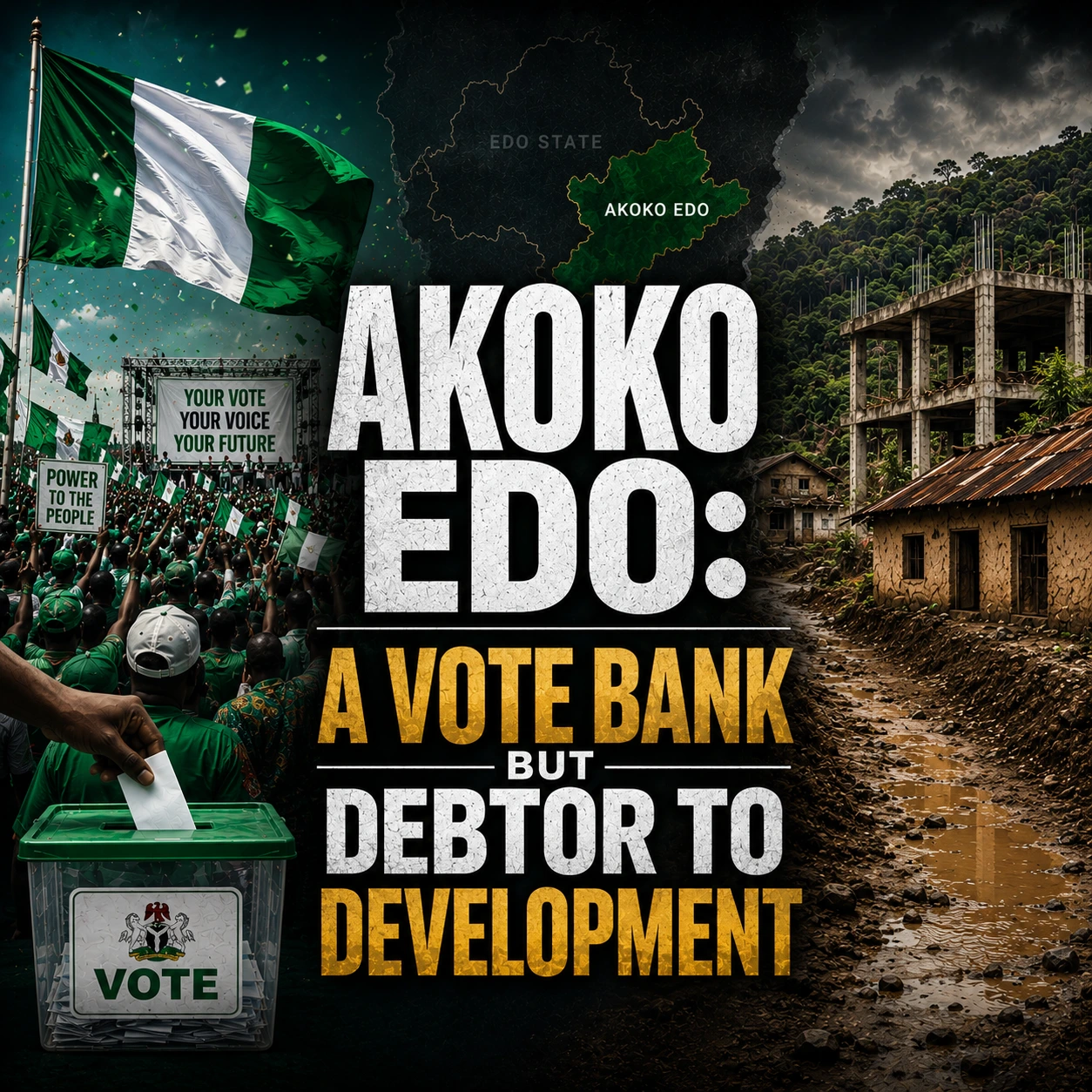
Every election season, the same drama returns to Akoko Edo. Politicians who disappeared after the last election suddenly surface. Long convoys drive through Igarra, Ibillo, Ososo and other communities that rarely see them.
Candidate posters flood every pole, wall, and rock. Loudspeakers blast promises like development is just one vote away. Then voting ends, the convoys vanish, and everything goes quiet again.
This cycle has happened so many times that people have almost accepted it as normal. Akoko Edo continues to deliver strong votes, yet the kind of development people expect after all these years is still nowhere to be found.
It leaves you asking, ‘Why does a place this important during elections keep struggling with basic things?’
This is not just Akoko Edo’s problem. It is how Nigerian politics works in too many places.
The Historical Burden
Akoko Edo has been around since 1963. It is one of the oldest and largest undivided local government areas in Nigeria. That size, which should have been an advantage, has become part of the problem.
The terrain is difficult. Rocky hills, long distances between communities, and different groups — Okpameri, Etuno, Ososo, Ibilo and others — all living under one council. Running everything from Igarra has never been easy.
In 1983, Governor Ambrose Alli tried to split the area into three: Akoko-Edo North, Central and South. The plan was reversed by later governments. Since then, the agitation for splitting or restructuring has never really died. Some people believe it will bring government closer to the communities. Others fear it will just create more politicians. Whatever the case, the complaints have remained the same for decades.
A Vote Bank That Rarely Cashes Out
Politicians know Akoko Edo matters on election day. In the 2024 governorship election, INEC results showed APC polling 34,847 votes against PDP’s 15,865. This gave the party one of its strongest performances and highest vote margins in Edo North.
But after the elections, many residents look at their communities and ask the painful question: where is the reward for all this support?
Bad roads. Unstable light. Poor healthcare. Very few jobs. These same complaints come up every single election cycle.
Electricity has become the biggest headache. Recently, youths in Ososo came out on Facebook with a clear message: “No Light, No Election.” The slogan spread fast because it captured exactly how people feel.
They are tired of charging phones in neighbouring towns, reading with lamps, and running businesses with generators. Rice and money during campaigns can no longer buy their patience.
Rich Land, Poor Returns
What makes it even more annoying is that the land is not poor. Akoko Edo has marble, limestone, gold and other solid minerals. Yet the people see very little benefit from all this wealth.
Illegal mining is causing environmental problems in some areas. Even legal ones often lead to quarrels over compensation and community benefits. It is the same old Nigerian story: the resources go, but real development refuses to come.
Akoko Edo sits on hills that could build real prosperity. But drive through some of the communities and what you see looks like places the government forgot. The rocks are making money. The people are still wating for their share.
Politics: Hot During Campaigns, Cold Afterwards
Politics in Akoko Edo is always fiery. APC and PDP fight hard, but the real battles are often inside — between different clans, blocs and interests.
Groups like the Akoko Edo Forum, Okpameri Nation, and Concerned Elites have remained consistent. They continue to demand the equitable distribution of political positions and projects across the various constituencies so that no section feels permanently marginalised.
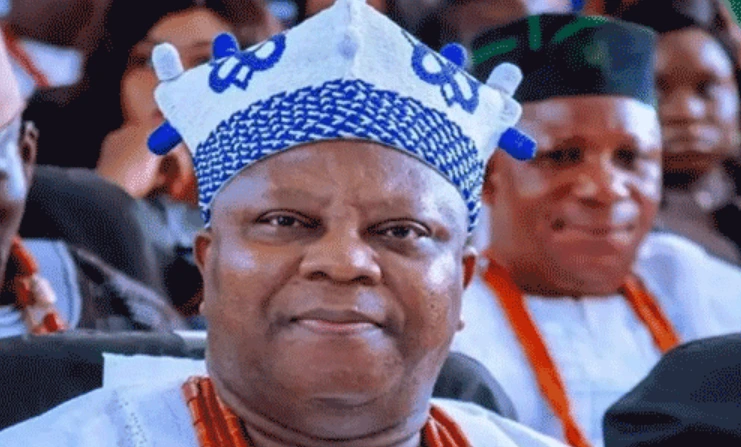
Hon. Peter Akpatason is currently serving his 4th consecutive term as Member representing Akoko-Edo Federal Constituency in the House of Representatives, having been first elected in 2011. His supporters always point to the boreholes, school renovations, and road projects he has attracted to the area.
However, his critics insist that many of these projects have not brought the kind of lasting change the people really need.
This back-and-forth highlights a bigger problem in Nigerian politics: there is a huge difference between just “doing projects” and delivering real impact. A nice signboard announcing a project is not the same as development that people can actually feel.
The Dangerous Cycle
One dangerous pattern has become normal in Akoko Edo communities: during campaigns, sudden magic happens. Roads get graded, politicians speak like they grew up in every community, and forgotten places suddenly matter. As soon as the results are announced, that energy disappears.
The people are tired of it. They now ask straight questions: What really changed after the last election? Where are the finished projects? Why do we hear the same promises every four years? These questions matter because democracy without visible improvement eventually breeds cynicism. And cynicism is dangerous for any society.
Finding Strength in Humor
People here use humour to survive. Some joke that the rocks in Akoko Edo are very stubborn — they give reliable votes but refuse to allow good roads. People laugh, but you can hear the pain behind the laughter.
Communities that keep voting massively during elections shouldn’t have to beg for basic infrastructure every four years.
Loyalty should bring something tangible, not just sweet words during campaigns. When people show up and support the system, they deserve to see real development in their communities. Democracy is supposed to improve people’s daily lives, not just give them promises every election season.
If that doesn’t happen, then elections simply become expensive rituals for recycling the same old lies.
What Should Happen Next
Anger alone cannot solve this. Akoko Edo needs serious, sustained pressure from the people.
Communities must keep demanding transparency on constituency projects, steady electricity, motorable roads, working health centres, and fair governance. The talk about splitting the LGA should also be taken seriously, not dismissed.
Youth groups, traditional rulers, diaspora, and civic organisations all have work to do. Voting is necessary, but following up after elections is what actually brings change.
Time to Balance the Account
The people of Akoko Edo have fulfilled their own responsibility as citizens — they have consistently voted in large numbers during every election. The youths take part actively. Even with all the disappointments, the communities have remained politically engaged.
Now it’s time for the system to reciprocate that loyalty. The roads need serious fixing. Light should be steady and reliable. Water schemes should start working again. Schools and hospitals deserve proper attention. Our young people should have real opportunities at home instead of being forced to migrate.
The Ososo youths who came out with the “No Light, No Election” message have already spoken clearly. They didn’t use violence or threats. They simply turned their frustration into honest political language.
And that is the real lesson here: people are tired of hearing development as campaign poetry. They want to see and feel it in their everyday lives. The rock hills of Akoko Edo have carried these promises for far too long.
The time has come for those promises to turn into motorable roads, stable electricity, clean water, functional hospitals, and genuine economic opportunities. Anything less only increases the debt.
—By Jayms smart